Biology notes · Chapter 19 of 19
Inventions, Discoveries & Scientists
10 sections, 50 flashcards. Open a card to check your answer, or revise them in the app with spaced revision.
Discovery vs Invention
- A discovery means finding something that already existed in nature but was unknown before.
- An invention means creating something brand-new that nature never made, built by human effort.
- You discover facts of nature – bacteria, the cell, gravity, oxygen, X-rays.
- You invent machines or tools – telephone, bulb, aeroplane, steam engine.
- Memory trick: if the answer is a natural fact it is a discovery; if it is a man-made device it is an invention.
- The exam loves to test this difference, so fix it firmly first.
Check yourself
Discovery vs Invention
- A discovery means finding something that already existed in nature but was unknown before.
- An invention means creating something brand-new that nature never made, built by human effort.
- You discover facts of nature – bacteria, the cell, gravity, oxygen, X-rays.
- You invent machines or tools – telephone, bulb, aeroplane, steam engine.
- Memory trick: if the answer is a natural fact it is a discovery; if it is a man-made device it is an invention.
- The exam loves to test this difference, so fix it firmly first.
A means finding something that already existed in nature but was unknown before.
A discovery means finding something that already existed in nature but was unknown before.
An means creating something brand-new that nature never made, built by human effort.
An invention means creating something brand-new that nature never made, built by human effort.
You – bacteria, the cell, gravity, oxygen, X-rays.
You discover facts of nature – bacteria, the cell, gravity, oxygen, X-rays.
You – telephone, bulb, aeroplane, steam engine.
You invent machines or tools – telephone, bulb, aeroplane, steam engine.
Memory trick: if the answer is a ; if it is a man-made device it is an invention.
Memory trick: if the answer is a natural fact it is a discovery; if it is a man-made device it is an invention.
Pioneers of Biology & Microbiology
- Darwin's idea is natural selection – "survival of the fittest"; best-suited organisms survive and pass on traits.
- Easy split: Leeuwenhoek = bacteria, Hooke = cell.
- Gregor Mendel, "Father of Genetics", found the laws of inheritance using pea plants.
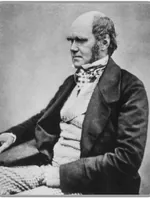
Charles Darwin 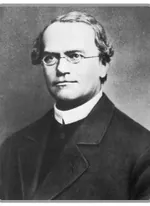
Gregor Mendel 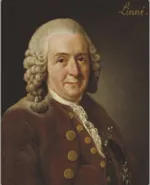
Carl Linnaeus 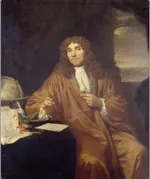
A. van Leeuwenhoek 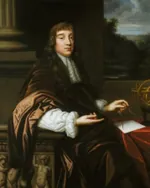
Robert Hooke
Check yourself
Pioneers of Biology & Microbiology
- Darwin's idea is natural selection – "survival of the fittest"; best-suited organisms survive and pass on traits.
- Easy split: Leeuwenhoek = bacteria, Hooke = cell.
- Gregor Mendel, "Father of Genetics", found the laws of inheritance using pea plants.
- Charles Darwin wrote On the Origin of Species (1859) and gave the theory of evolution.
- Common trap: Origin of Species is Darwin, NOT Lamarck, Linnaeus or Mendel.
- Antonie van Leeuwenhoek, "Father of Microbiology", built a simple microscope and first saw bacteria ("animalcules").
- Robert Hooke discovered the cell by seeing box-like rooms in thin cork.
Darwin's idea is – "survival of the fittest"; best-suited organisms survive and pass on traits.
Darwin's idea is natural selection – "survival of the fittest"; best-suited organisms survive and pass on traits.
, "Father of Genetics", found the laws of inheritance using .
Gregor Mendel, "Father of Genetics", found the laws of inheritance using pea plants.
wrote and gave the theory of evolution.
Charles Darwin wrote On the Origin of Species (1859) and gave the theory of evolution.
Common trap: Origin of Species is , NOT Lamarck, Linnaeus or Mendel.
Common trap: Origin of Species is Darwin, NOT Lamarck, Linnaeus or Mendel.
, "Father of Microbiology", built a simple microscope and first saw ("animalcules").
Antonie van Leeuwenhoek, "Father of Microbiology", built a simple microscope and first saw bacteria ("animalcules").
discovered the by seeing box-like rooms in thin cork.
Robert Hooke discovered the cell by seeing box-like rooms in thin cork.
Landmarks in Medicine
- Word "vaccine" comes from vacca (Latin for cow), after Jenner's cowpox method.
- Arthur Kornberg first made DNA in a test tube (in vitro, 1956) by discovering DNA polymerase; Nobel 1959.
- In vitro means in glass / test tube; in vivo means inside a living body.
- Christiaan Barnard did the world's first human heart transplant (3 Dec 1967) at Cape Town, South Africa.
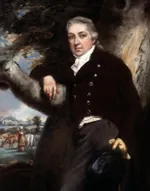
Edward Jenner 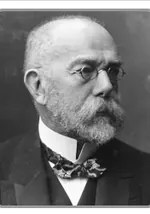
Robert Koch
Check yourself
Landmarks in Medicine
- Word "vaccine" comes from vacca (Latin for cow), after Jenner's cowpox method.
- Arthur Kornberg first made DNA in a test tube (in vitro, 1956) by discovering DNA polymerase; Nobel 1959.
- In vitro means in glass / test tube; in vivo means inside a living body.
- Christiaan Barnard did the world's first human heart transplant (3 Dec 1967) at Cape Town, South Africa.
- Edward Jenner performed the first ever vaccination (1796) against smallpox using cowpox; "Father of Immunology".
- Traps for the Jenner question: Koch, Lister and Metchnikoff are common wrong options.
Word "vaccine" comes from (Latin for cow), after Jenner's cowpox method.
Word "vaccine" comes from vacca (Latin for cow), after Jenner's cowpox method.
first made by discovering DNA polymerase; Nobel 1959.
Arthur Kornberg first made DNA in a test tube (in vitro, 1956) by discovering DNA polymerase; Nobel 1959.
means in glass / test tube; means inside a living body.
In vitro means in glass / test tube; in vivo means inside a living body.
did the world's first human at Cape Town, South Africa.
Christiaan Barnard did the world's first human heart transplant (3 Dec 1967) at Cape Town, South Africa.
performed the first ever against smallpox using cowpox; "Father of Immunology".
Edward Jenner performed the first ever vaccination (1796) against smallpox using cowpox; "Father of Immunology".
Scientist to Key Contribution (Medicine)
- Memorise each name beside its single defining contribution; the exam swaps them as distractors.
| Scientist | Key Contribution |
|---|---|
| Edward Jenner | First vaccine (smallpox); Father of Immunology |
| Alexander Fleming | Discovered penicillin (first antibiotic) |
| Louis Pasteur | Germ theory of disease; pasteurisation |
| Robert Koch | Proved specific germs cause TB and cholera |
| Joseph Lister | Father of Antiseptic Surgery |
| Elie Metchnikoff | Discovered phagocytes (germ-eating cells) |
| Casimir Funk | Coined "vitamine"; discovered vitamins |
Check yourself
Scientist to Key Contribution (Medicine)
- Memorise each name beside its single defining contribution; the exam swaps them as distractors.
- Edward Jenner — First vaccine (smallpox); Father of Immunology
- Alexander Fleming — Discovered penicillin (first antibiotic)
- Louis Pasteur — Germ theory of disease; pasteurisation
- Robert Koch — Proved specific germs cause TB and cholera
- Joseph Lister — Father of Antiseptic Surgery
- Elie Metchnikoff — Discovered phagocytes (germ-eating cells)
- Casimir Funk — Coined "vitamine"; discovered vitamins
Discovery of DNA Structure
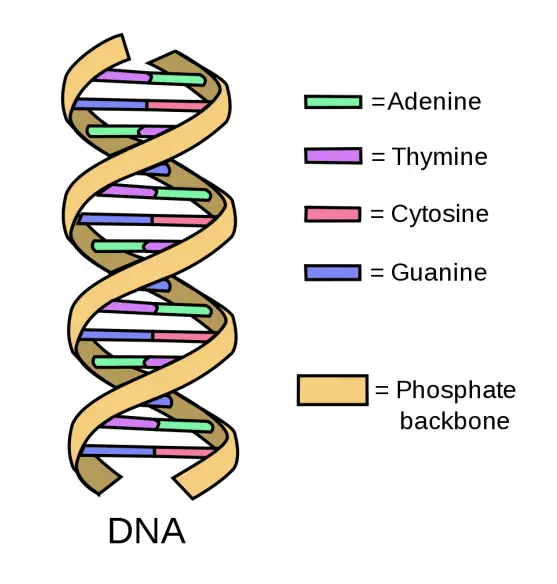
- DNA is shaped like a twisted ladder (double helix) of two strands.
- Watson, Crick and Wilkins shared the Nobel Prize (1962) for this work.
- Arthur Kornberg made DNA in a test tube – do not confuse with discovering its structure.
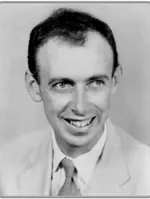
James Watson 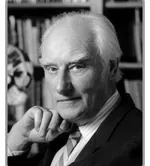
Francis Crick 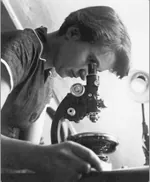
Rosalind Franklin
Check yourself
Discovery of DNA Structure
- DNA is shaped like a twisted ladder (double helix) of two strands.
- Watson, Crick and Wilkins shared the Nobel Prize (1962) for this work.
- Arthur Kornberg made DNA in a test tube – do not confuse with discovering its structure.
- James Watson and Francis Crick discovered the DNA double helix structure (1953).
- They built on the X-ray images taken by Rosalind Franklin and Maurice Wilkins.
Watson, Crick and Wilkins shared the for this work.
Watson, Crick and Wilkins shared the Nobel Prize (1962) for this work.
made DNA in a test tube – do not confuse with discovering its structure.
Arthur Kornberg made DNA in a test tube – do not confuse with discovering its structure.
James Watson and Francis Crick discovered the .
James Watson and Francis Crick discovered the DNA double helix structure (1953).
They built on the X-ray images taken by and .
They built on the X-ray images taken by Rosalind Franklin and Maurice Wilkins.
Famous Inventions & Their Inventors
- The Wright Brothers (Orville & Wilbur) built and flew the first powered aeroplane (1903) at Kitty Hawk, USA.
- Traps for the aeroplane: James Watt only improved the steam engine; Davy made the safety lamp; von Braun built rockets.
- A single inventor is usually the answer for everyday machines.
| Invention | Inventor |
|---|---|
| Aeroplane | Wright Brothers (1903) |
| Electric bulb | Thomas Edison |
| Telephone | Alexander Graham Bell |
| Radio / wireless | Guglielmo Marconi |
| Television | J. L. Baird |
| Miners' safety lamp | Humphry Davy |
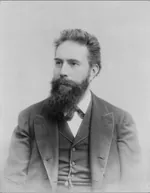
W. Röntgen
Check yourself
Famous Inventions & Their Inventors
- The Wright Brothers (Orville & Wilbur) built and flew the first powered aeroplane (1903) at Kitty Hawk, USA.
- Traps for the aeroplane: James Watt only improved the steam engine; Davy made the safety lamp; von Braun built rockets.
- A single inventor is usually the answer for everyday machines.
- Aeroplane — Wright Brothers (1903)
- Electric bulb — Thomas Edison
- Telephone — Alexander Graham Bell
- Radio / wireless — Guglielmo Marconi
- Television — J. L. Baird
- Miners' safety lamp — Humphry Davy
- Wilhelm Rontgen discovered X-rays – a discovery, not an invention.
The (Orville & Wilbur) built and flew the first powered at Kitty Hawk, USA.
The Wright Brothers (Orville & Wilbur) built and flew the first powered aeroplane (1903) at Kitty Hawk, USA.
Traps for the aeroplane: ; Davy made the safety lamp; von Braun built rockets.
Traps for the aeroplane: James Watt only improved the steam engine; Davy made the safety lamp; von Braun built rockets.
Rays & Waves Used in Medicine
- Key idea: tell apart safe sound waves from harmful radiation.
- Ultrasonic waves (ultrasound) are sound above 20,000 Hz, beyond human hearing, and are safe.
- Ultrasound watches a growing fetus in the womb and scans soft organs like liver and kidney.
- X-rays are high-energy radiation, not sound; they pass through flesh but are blocked by bone.
- X-rays clearly show bones, teeth and fractures.
- X-rays can harm a developing baby, so they are avoided in pregnancy – hence ultrasound is used instead.
| Ray / Wave | Nature | Main Medical Use |
|---|---|---|
| Ultrasound | Safe sound (>20,000 Hz) | Scanning fetus, soft organs |
| X-rays | Harmful radiation | Imaging bones, fractures, teeth |
Check yourself
Rays & Waves Used in Medicine
- Key idea: tell apart safe sound waves from harmful radiation.
- Ultrasonic waves (ultrasound) are sound above 20,000 Hz, beyond human hearing, and are safe.
- Ultrasound watches a growing fetus in the womb and scans soft organs like liver and kidney.
- X-rays are high-energy radiation, not sound; they pass through flesh but are blocked by bone.
- X-rays clearly show bones, teeth and fractures.
- X-rays can harm a developing baby, so they are avoided in pregnancy – hence ultrasound is used instead.
- Ultrasound — Safe sound (>20,000 Hz) — Scanning fetus, soft organs
- X-rays — Harmful radiation — Imaging bones, fractures, teeth
Key idea: tell apart from .
Key idea: tell apart safe sound waves from harmful radiation.
are sound above , beyond human hearing, and are safe.
Ultrasonic waves (ultrasound) are sound above 20,000 Hz, beyond human hearing, and are safe.
Ultrasound watches a growing and scans soft organs like liver and kidney.
Ultrasound watches a growing fetus in the womb and scans soft organs like liver and kidney.
, not sound; they pass through flesh but are blocked by bone.
X-rays are high-energy radiation, not sound; they pass through flesh but are blocked by bone.
X-rays can harm a developing baby, so they are – hence ultrasound is used instead.
X-rays can harm a developing baby, so they are avoided in pregnancy – hence ultrasound is used instead.
How Vaccines Work
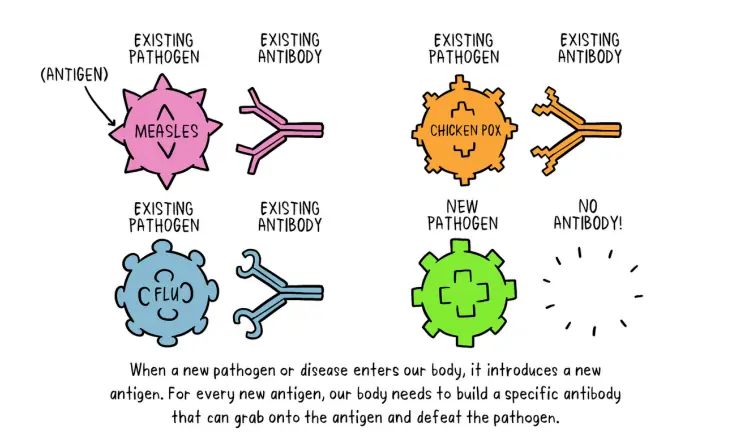
- A vaccine is a harmless dose – a dead, weakened or partial germ – given so the body learns to fight the real disease later.
- The body responds by making antibodies and memory cells against that germ.
- When the real germ attacks later, the body fights it off quickly; this is immunity.
- Vaccines protect against diseases like smallpox, polio, measles and COVID-19.
- Smallpox is the first disease ever eradicated by vaccination.
Check yourself
How Vaccines Work
- A vaccine is a harmless dose – a dead, weakened or partial germ – given so the body learns to fight the real disease later.
- The body responds by making antibodies and memory cells against that germ.
- When the real germ attacks later, the body fights it off quickly; this is immunity.
- Vaccines protect against diseases like smallpox, polio, measles and COVID-19.
- Smallpox is the first disease ever eradicated by vaccination.
A is a harmless dose – a dead, weakened or partial germ – given so the body learns to fight the real disease later.
A vaccine is a harmless dose – a dead, weakened or partial germ – given so the body learns to fight the real disease later.
The body responds by making and memory cells against that germ.
The body responds by making antibodies and memory cells against that germ.
When the real germ attacks later, the body fights it off quickly; this is .
When the real germ attacks later, the body fights it off quickly; this is immunity.
Smallpox is the first disease ever .
Smallpox is the first disease ever eradicated by vaccination.
COVID-19 Vaccines (India & World)
- COVID-19 is caused by the SARS-CoV-2 coronavirus; the disease began spreading in 2019-2020.
- Covaxin is India's first indigenous vaccine, made by Bharat Biotech with ICMR (inactivated virus type).
- Covishield is the Oxford-AstraZeneca vaccine made in India by the Serum Institute of India (SII).
- Pfizer-BioNTech and Moderna are mRNA vaccines used worldwide.
- Sputnik V is the Russian COVID vaccine; India's first dose was given on 16 January 2021.
| Vaccine | Maker | Type |
|---|---|---|
| Covaxin | Bharat Biotech + ICMR | Inactivated virus |
| Covishield | Serum Institute (Oxford-AZ) | Viral vector |
| Pfizer / Moderna | Pfizer-BioNTech / Moderna | mRNA |
| Sputnik V | Gamaleya, Russia | Viral vector |
Check yourself
COVID-19 Vaccines (India & World)
- COVID-19 is caused by the SARS-CoV-2 coronavirus; the disease began spreading in 2019-2020.
- Covaxin is India's first indigenous vaccine, made by Bharat Biotech with ICMR (inactivated virus type).
- Covishield is the Oxford-AstraZeneca vaccine made in India by the Serum Institute of India (SII).
- Pfizer-BioNTech and Moderna are mRNA vaccines used worldwide.
- Sputnik V is the Russian COVID vaccine; India's first dose was given on 16 January 2021.
- Covaxin — Bharat Biotech + ICMR — Inactivated virus
- Covishield — Serum Institute (Oxford-AZ) — Viral vector
- Pfizer / Moderna — Pfizer-BioNTech / Moderna — mRNA
- Sputnik V — Gamaleya, Russia — Viral vector
COVID-19 is caused by the coronavirus; the disease began spreading in 2019-2020.
COVID-19 is caused by the SARS-CoV-2 coronavirus; the disease began spreading in 2019-2020.
is India's first indigenous vaccine, made by (inactivated virus type).
Covaxin is India's first indigenous vaccine, made by Bharat Biotech with ICMR (inactivated virus type).
is the Oxford-AstraZeneca vaccine made in India by the .
Covishield is the Oxford-AstraZeneca vaccine made in India by the Serum Institute of India (SII).
Pfizer-BioNTech and Moderna are used worldwide.
Pfizer-BioNTech and Moderna are mRNA vaccines used worldwide.
Vitamins, Penicillin & Other Quick Facts
- Casimir Funk coined the term "vitamine" (1912) and is credited with discovering vitamins.
- Karl Landsteiner discovered the ABO blood groups.
- Hargobind Khorana, an Indian-American, helped decode the genetic code (Nobel 1968).
A. Fleming 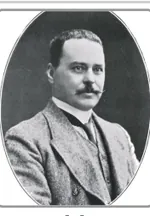
Ronald Ross
Check yourself
Vitamins, Penicillin & Other Quick Facts
- Casimir Funk coined the term "vitamine" (1912) and is credited with discovering vitamins.
- Karl Landsteiner discovered the ABO blood groups.
- Hargobind Khorana, an Indian-American, helped decode the genetic code (Nobel 1968).
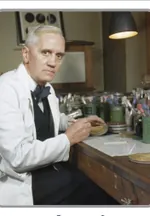
- Alexander Fleming discovered penicillin (1928), the first antibiotic, from a mould.
- Ronald Ross discovered that mosquitoes spread malaria; Nobel Prize 1902.
coined the term (1912) and is credited with discovering vitamins.
Casimir Funk coined the term "vitamine" (1912) and is credited with discovering vitamins.
discovered the .
Karl Landsteiner discovered the ABO blood groups.
, an Indian-American, helped decode the (Nobel 1968).
Hargobind Khorana, an Indian-American, helped decode the genetic code (Nobel 1968).
discovered , the first antibiotic, from a mould.
Alexander Fleming discovered penicillin (1928), the first antibiotic, from a mould.
discovered that ; Nobel Prize 1902.
Ronald Ross discovered that mosquitoes spread malaria; Nobel Prize 1902.
All 19 chapters of Biology notes
- Cell: Structure & Function12 sections
- Biomolecules & DNA/RNA11 sections
- Plant Kingdom & Classification11 sections
- Plant Tissues & Anatomy12 sections
- Plant Physiology: Photosynthesis, Respiration & Nutrition14 sections
- Animal Kingdom, Morphology & Classification16 sections
- Nutrition & Digestive System12 sections
- Circulatory System & Body Fluids12 sections
- Respiratory System10 sections
- Excretory System12 sections
- Nervous System & Sense Organs12 sections
- Endocrine System & Hormones14 sections
- Skeletal & Muscular System12 sections
- Reproductive System & Reproductive Health12 sections
- Genetics & Evolution13 sections
- Human Health, Diseases & Immunity16 sections
- Ecology, Ecosystem & Biodiversity12 sections
- Biology in Everyday Life & Applied Biology12 sections
- Inventions, Discoveries & Scientists10 sections